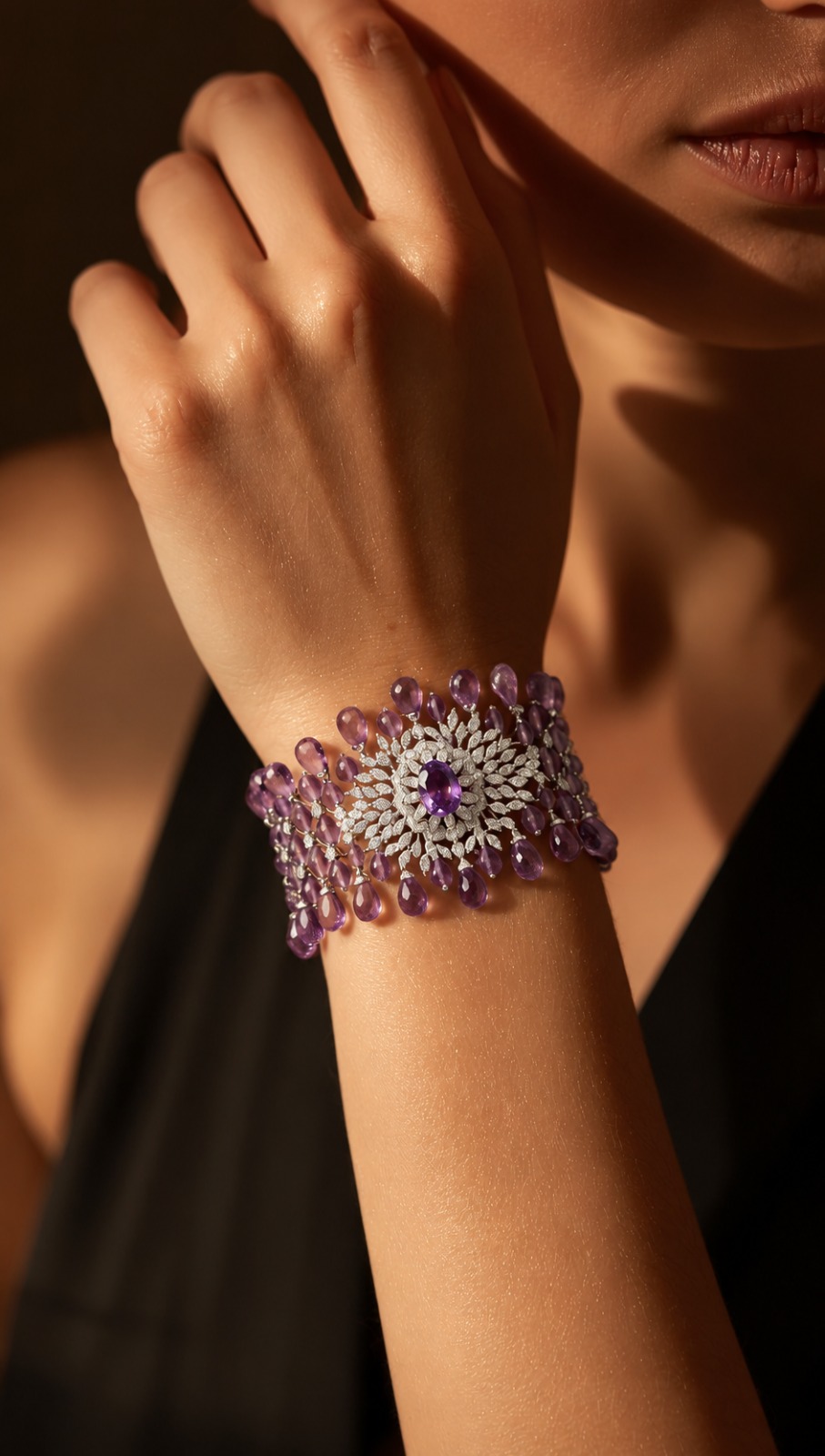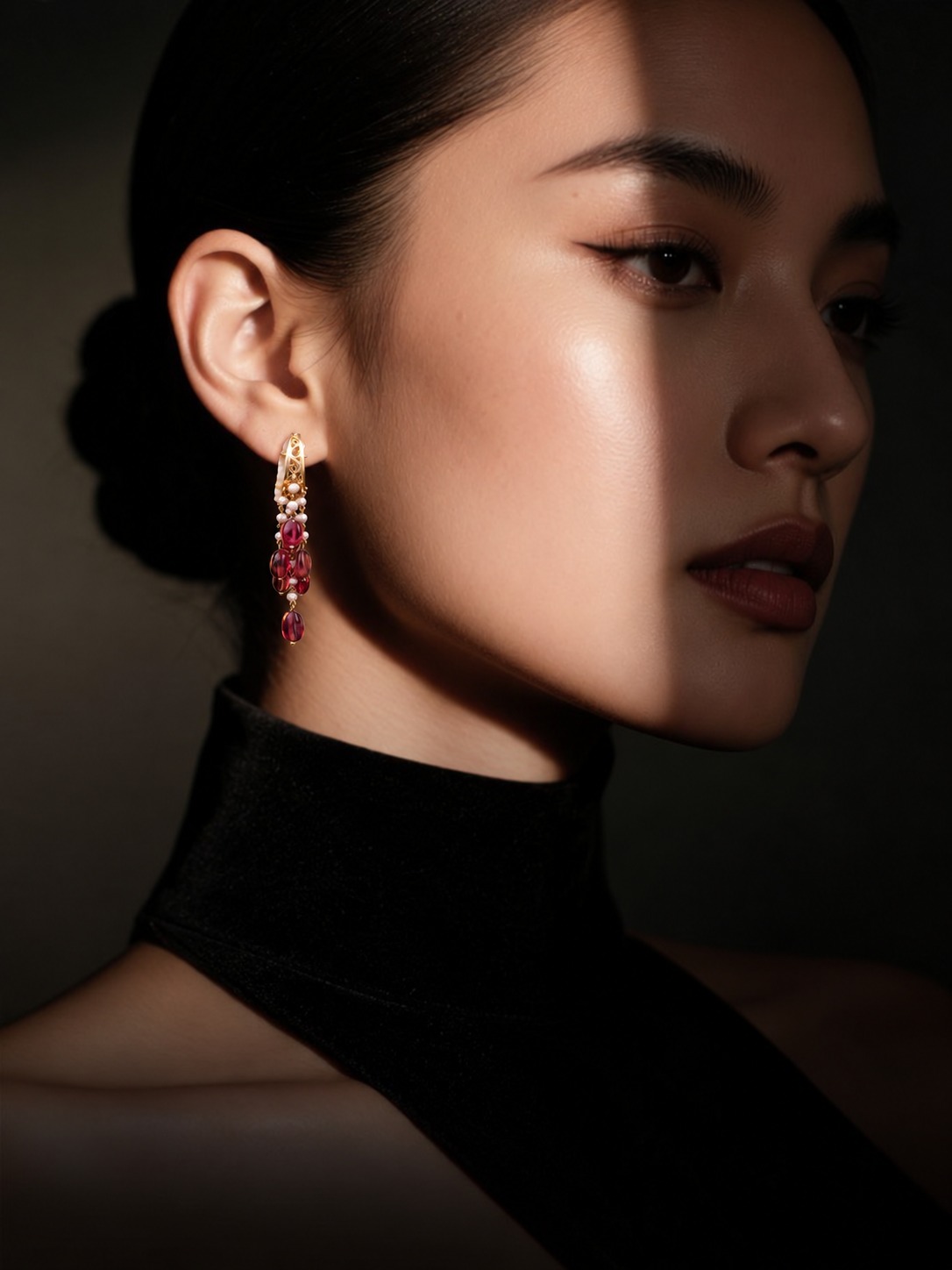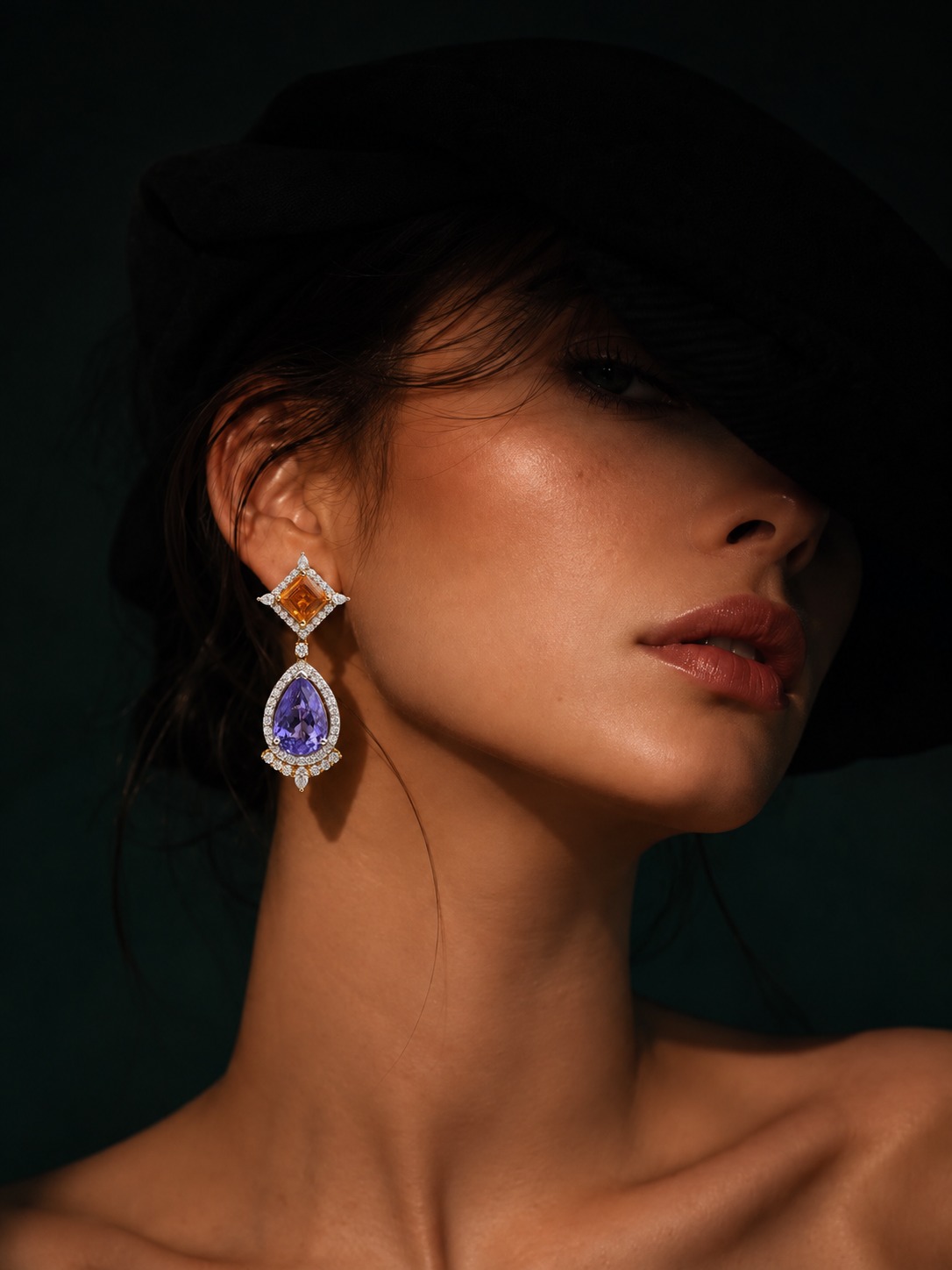
Citrine – Liquid Sunshine and the Art of Modern Quiet Luxury
Few gemstones capture the serene warmth of autumn light quite like the Citrine. Draped in centuries of sunny optimism and golden elegance, this November birthstone stands as the ultimate token of quiet luxury, warmth, and refined style – a favourite of modern tastemakers and heritage jewellery houses like C. Krishniah Chetty, whose century-and-a-half legacy has long celebrated the majesty of rare coloured gemstones.
Often dubbed “liquid sunshine,” Citrine has quietly emerged as a staple in high-fashion wardrobes. As global fashion trends embrace soft, understated neutrals and quiet luxury, the golden warmth of fine Citrine offers an effortless pop of organic colour that bridges everyday sophistication with grand evening couture.
The Gemmology of Solar Fire: Beyond Golden Quartz
From a gemmological perspective, Citrine is the macrocrystalline yellow-to-golden-orange variety of quartz. Its captivating hue is forged deep within the earth’s crust, where minute traces of iron infuse the silicon dioxide crystal lattice. While pale lemon hues are common in commercial markets, true connoisseurs seek deeper, richer saturations – ranging from warm honey yellows to the fiery burnt-orange hues of prized Madeira Citrine.
Unlike many coloured gemstones that carry visible natural inclusions, fine natural Citrine is celebrated for its exceptional eye-clean clarity. Possessing a Mohs hardness rating of 7, Citrine offers superb durability for daily wear, making it an ideal candidate for bold, statement-making cocktail rings, intricate pendants, and delicate drop earrings.

The World’s Most Coveted Citrine Origins
- Rio Grande do Sul (Brazil): The undisputed global capital for fine Citrine, famous for yielding world-class gem rough that ranges from bright golden-yellow to the deeply saturated, reddish-orange Madeira variety.
- Madagascar: Celebrated by gemmologists for producing high-clarity natural golden quartz crystals with exceptional optical transparency and crisp, sunny undertones.
- Zambia: A prominent African source known for producing rich, warm amber and honey-coloured Citrines that display magnificent fire under natural sunlight.
- Ural Mountains (Russia): Historically significant deposits that supplied rare natural golden quartz to European royal court jewellers throughout the 18th and 19th centuries.
Styling Warm Tones: How to Wear Citrine for Modern Quiet Luxury
From a fashion perspective, Citrine’s chameleon-like warm palette makes it one of the most versatile coloured gemstones in a luxury wardrobe. Here is how modern style icons integrate golden quartz into high-fashion ensembles:
1. Power Tailoring and Cashmere Neutrals
Pairing a bold, step-cut Madeira Citrine ring or a minimalist bezel pendant with crisp camel wool coats, ivory silk blouses, or rich chocolate cashmere knitwear elevates everyday office attire into a masterclass in quiet luxury. The warm golden tones pick up the organic warmth of neutral fabrics, adding an intriguing depth without disrupting a refined palette.
2. High-Contrast Eveningwear
Against deep midnight blue, emerald green, or classic black velvet gowns, a large-carat Citrine set within a frame of micro-paved diamonds acts as a striking optical anchor. As low ambient evening light catches the gem’s internal facets, the stone projects a fiery, golden brilliance that commands the room with subtle authority. Explore C. Krishniah Chetty’s Gemstone Collection to discover handcrafted golden jewellery designed for evening sophistication.

The Connoisseur’s Eye: Quality, Cut, and Craftsmanship
Evaluating a fine Citrine requires a balance of tone, saturation, and lapidary precision. The ideal stone exhibits a rich, uniform colour density without veering into muddy brown shadows or overly washed-out yellow tones. Because Citrine crystals often grow in large, clean formations, master lapidaries have the freedom to craft intricate, multi-faceted cuts – such as cushion, emerald, and radiant cuts—that maximize light refraction and fire.
While routine heat treatment of amethyst is a widely accepted industry standard to achieve golden hues, natural, unheated Citrine with raw geological origin represents the absolute pinnacle of gemmological rarity. In the high-jewellery vaults of C. Krishniah Chetty, these rare gems are meticulously evaluated by certified gemmologists and set into custom-sculpted 18Kt gold or platinum mountings, creating investment-grade heirlooms for discerning collectors.

Preserving Golden Brilliance: Care and Maintenance
To maintain the optical fire of your Citrine jewellery across generations, simple yet thoughtful care is essential:
- Cleaning: Wash gently with warm water, mild dish soap, and a soft-bristled brush to remove everyday oils.
- Storage: Store your Citrine pieces in a soft fabric pouch to prevent harder gemstones like diamonds and sapphires from scratching its surface.
- Protection: Avoid exposing the stone to prolonged direct heat or harsh household chemicals.
Whether set as a striking solitaire in warm yellow gold or framed by a halo of brilliant diamonds in a bespoke C. Krishniah Chetty royal heirloom mounting, a magnificent Citrine requires no elaborate display. Its liquid sunshine speaks with quiet, unyielding authority.