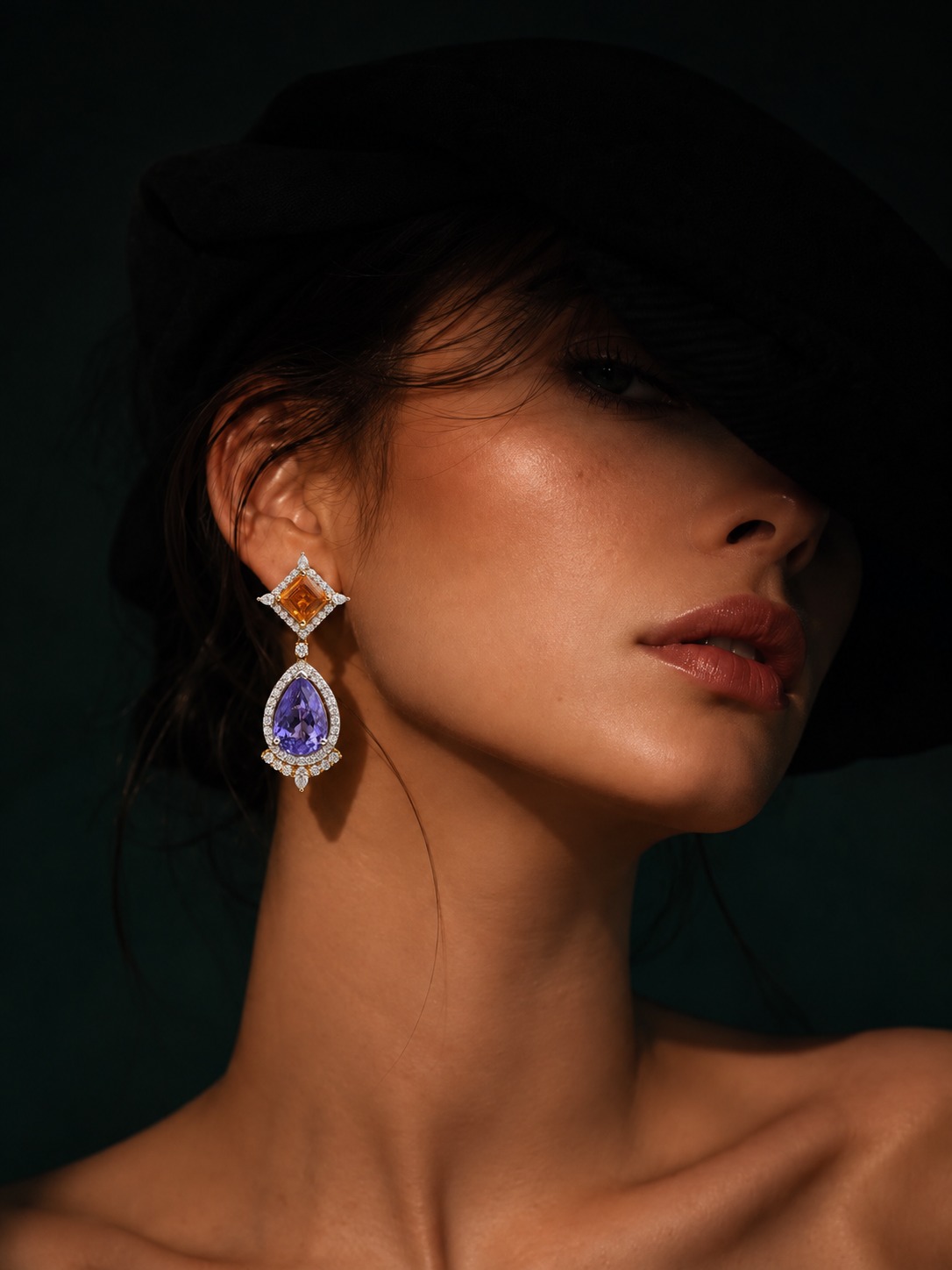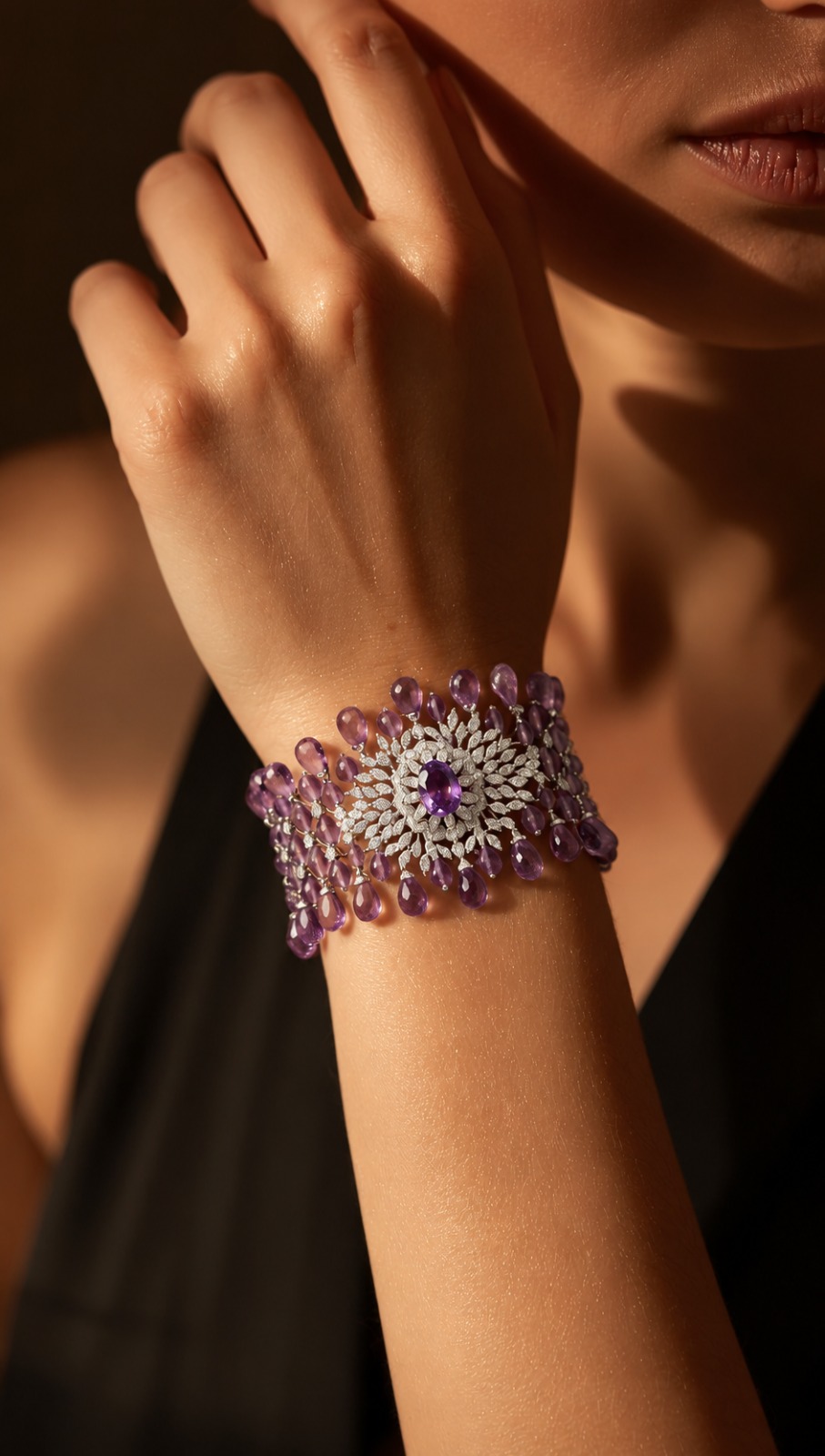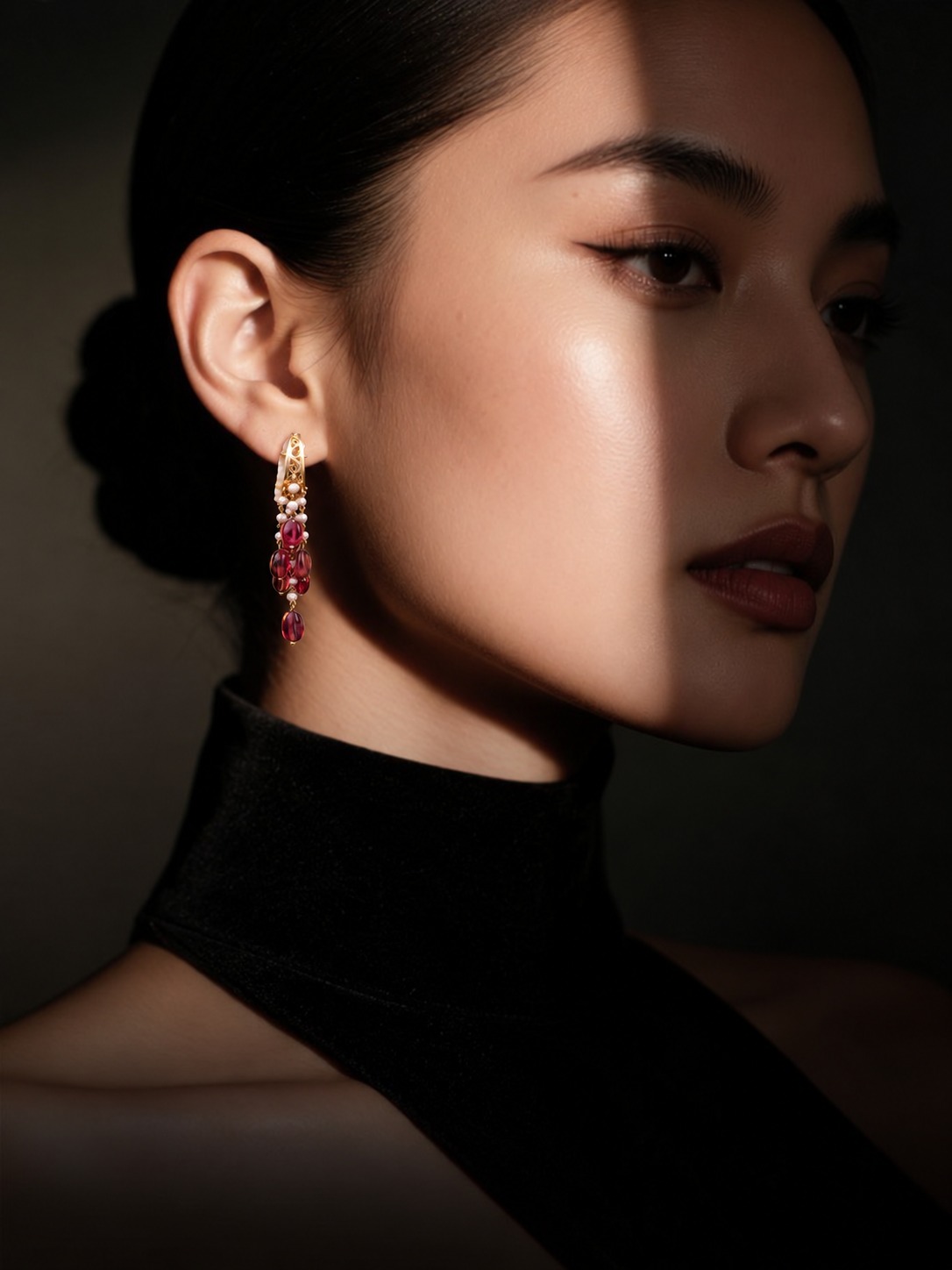
Tourmalines – The Infinite Spectrum of High Jewellery
Few gemstones command the admiration of the world’s most discerning collectors quite like the Tourmaline. Draped in centuries of royal provenance, artistic fascination, and gemmological wonder, this extraordinary gemstone stands as the ultimate token of expressive luxury, boundless creativity, and sophisticated style – a perennial favourite of master lapidaries and heritage jewellery houses like C. Krishniah Chetty, whose century-and-a-half legacy has long celebrated the majesty of rare coloured gemstones.
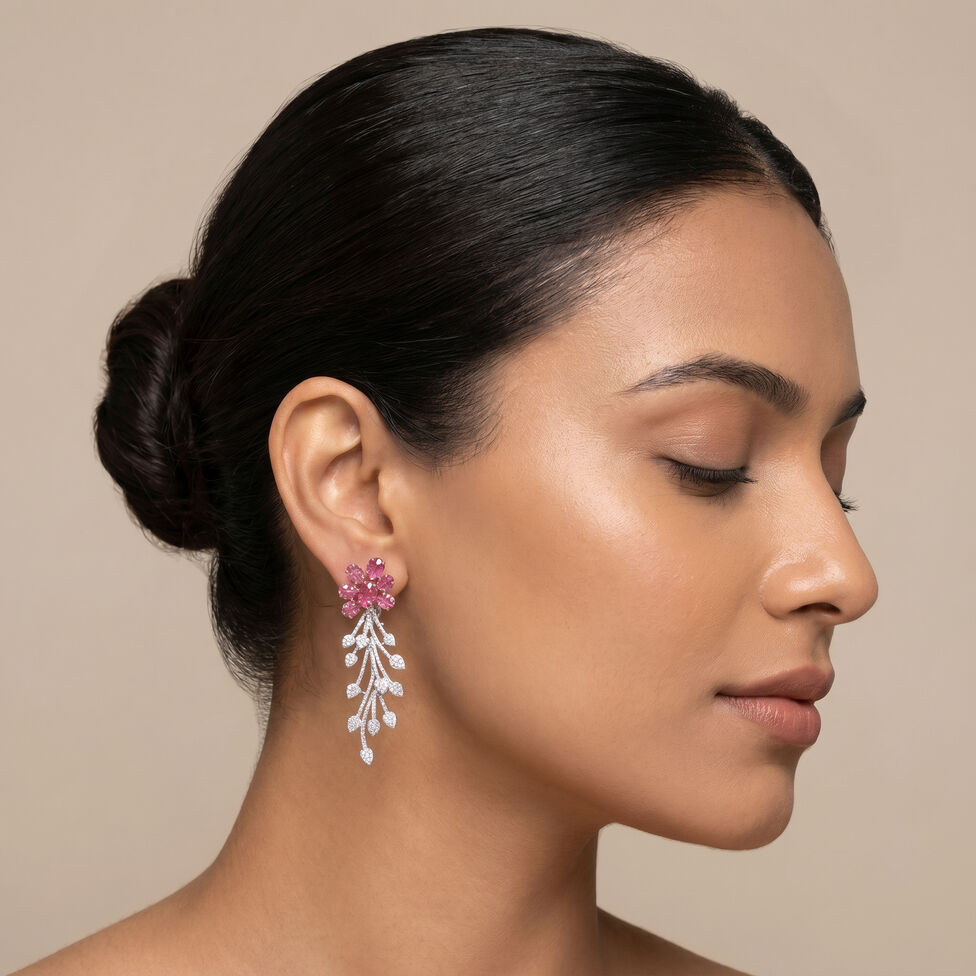
From a gemmological perspective, tourmaline is not a single mineral species, but a remarkably complex group of boron aluminum cyclosilicates. Its intricate crystal structure acts as nature’s most versatile chemical laboratory, accommodating an astonishing array of trace elements such as iron, titanium, manganese, chromium, vanadium, and copper. When these elemental ingredients infuse the growing crystal lattice deep beneath the earth’s crust, they unlock a breathtaking spectrum unmatched anywhere else in the mineral kingdom. Trace amounts of manganese and lithium produce the smoldering raspberry reds of fine Rubellite; chromium and vanadium forge the intense, vivid greens of Chrome Tourmaline; while rare copper traces ignite the neon, electric turquoise blues of copper-bearing Paraíba tourmaline. Furthermore, tourmaline frequently exhibits dramatic bi-colour and tri-colour zonings within a single crystal, most famously seen in Watermelon Tourmaline, where a lush pink core is seamlessly encased in a vibrant green outer crust.
Beyond its chemical diversity, tourmaline possesses unique optical and physical properties that have fascinated scientists and royal court jewellers for generations. It is famously pyroelectric and piezoelectric – meaning when heated, cooled, or subjected to mechanical friction, the crystal generates a subtle electric charge, attracting dust and light particles. Optically, tourmaline exhibits extreme pleochroism, absorbing light differently along its distinct crystallographic directions. A single raw crystal can appear deep, shadowy forest green when viewed down its long optical c-axis, but transform into a bright, luminous emerald green when viewed from the side. This optical dual-personality requires master cutters to carefully calculate facet orientation, skillfully aligning the top table facet to trap murky secondary undertones while projecting the stone’s purest, most vibrant saturated hue straight out toward the viewer’s eye.

The World’s Most Coveted Tourmaline Origins
- Paraíba (Brazil): Discovered in the late 1980s by Heitor Dimas Barbosa in the rugged hills of Paraíba state, these legendary deposits produced the world’s most coveted copper- and manganese-infused tourmalines. Yielding electric neon turquoise, lagoon blue, and mint green hues that appear to glow from within even under dim ambient light, authentic Brazilian Paraíbas remain the undisputed crown jewels of the species.
- Minas Gerais (Brazil): A cornerstone of historic gemstone mining, this famed region is renowned for producing exceptionally fine Rubellites, vivid emerald-green tourmalines, and spectacular bi-colour crystals featuring razor-sharp colour transitions, brilliant clarity, and monumental crystal architecture.
- Mavuco & Alto Ligonha (Mozambique): Discovered in the early 2000s, Mozambique emerged as a monumental revelation for high jewellery, producing large, high-clarity copper-bearing Paraíba-type tourmalines. These deposits yield extraordinary sea-foam greens, neon violet-blues, and electric teals that rival classic South American mines in purity and brilliance.
- Pala District, California (USA): Celebrated historically since the late 19th century, these famed pegmatite deposits supplied tons of exquisite pink and watermelon tourmalines directly to the Imperial Court of Qing Dynasty China, where Dowager Empress Cixi famously amassed one of the world’s greatest private collections of carved tourmaline treasures.
- Nigeria & Madagascar: Renowned across the global gem trade for yielding high-clarity pastel tourmalines, fiery electric purple-pink rubellites, and saturated chrome tourmalines that display an intense green brilliance comparable to fine Colombian emeralds.
The Connoisseur’s Eye: Quality and Integrity
Evaluating a fine tourmaline requires a masterly balance of tone, saturation, clarity, and lapidary alignment. The ideal stone exhibits a saturated, vibrant body colour without veering into dark, lifeless shadows or overly diluted pastel tones. Because tourmalines span different mineral species within the group, their clarity expectations vary significantly across varieties. While green, blue, and lagoon tourmalines are classified as Type I gemstones – meaning they are expected to be eye-clean, Rubellites and Watermelon Tourmalines belong to Type III, naturally carrying delicate liquid inclusions and feather-like internal growth marks that authenticate their organic origin.
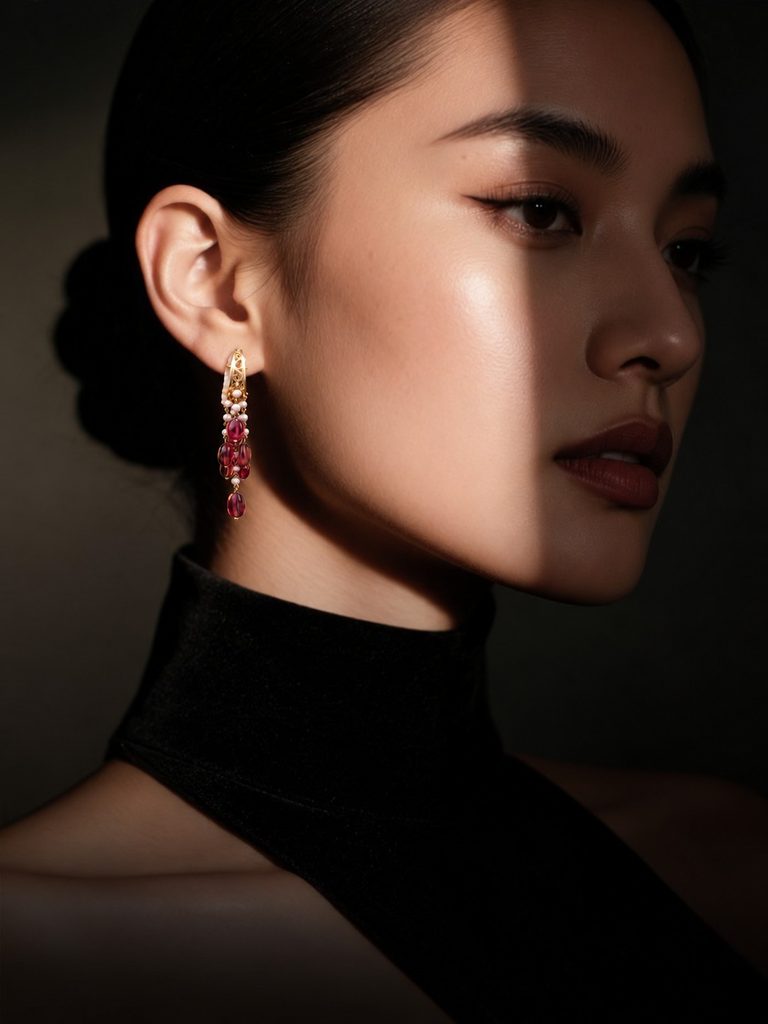
While gentle thermal enhancement is a widely accepted trade standard to refine the neon tones of certain copper-bearing varieties, unheated natural tourmalines backed by raw, untouched saturation represent the absolute pinnacle of gemmological rarity. In the high-jewellery vaults of C. Krishniah Chetty, tourmalines accompanied by authoritative laboratory reports from prestigious global institutions like GIA, Gübelin, or SSEF are meticulously curated for serious collectors seeking investment-grade stones with verified natural origin and untreated brilliance.
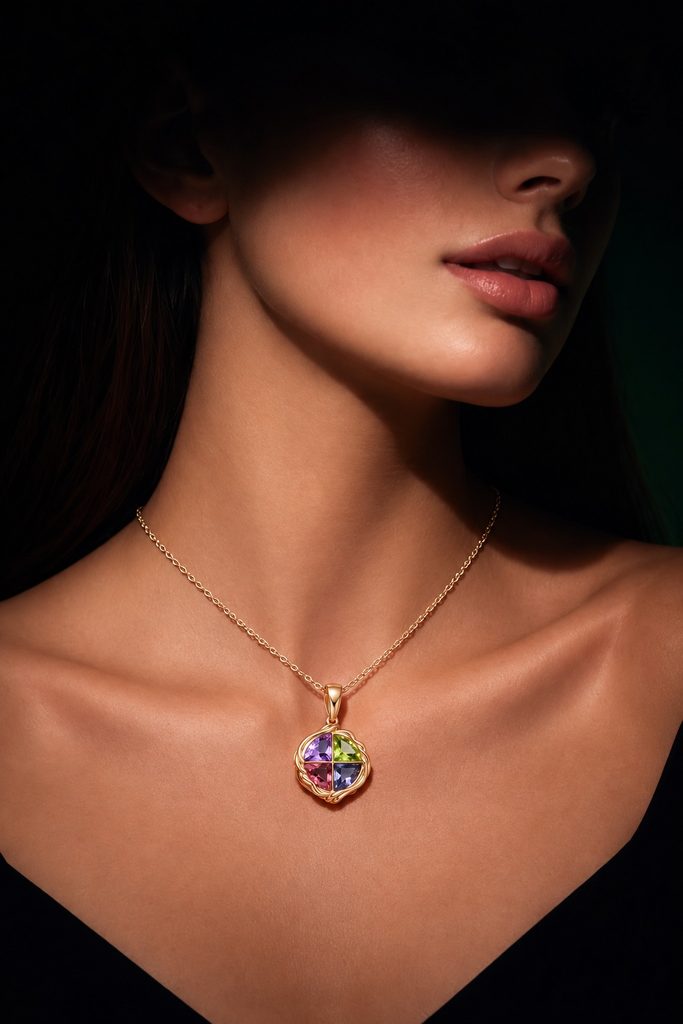
Boasting a Mohs hardness rating of 7 to 7.5, tourmaline offers superb structural durability suitable for fine jewellery pieces that can be worn across generations. Preserving its optical brilliance requires gentle care using warm water, mild soap, and a soft-bristled brush, while avoiding sudden thermal shocks or aggressive ultrasonic cleaning, particularly for included rubellites. Whether set as a striking centre solitaire in cool platinum or framed by a halo of brilliant-cut diamonds in a bespoke C. Krishniah Chetty royal heirloom mounting, a magnificent tourmaline requires no elaborate display. Its natural majesty speaks with quiet, unyielding authority.