Opals – The Gemstone of October
Few gemstones capture the imagination quite like the Opal. Draped in centuries of mystical fascination, this October birthstone stands as the ultimate token of expressive luxury, boundless creativity, and emotional resonance – a favourite of connoisseurs and heritage jewellery houses like C. Krishniah Chetty, whose century-and-a-half legacy has long celebrated the majesty of rare – coloured gemstones.
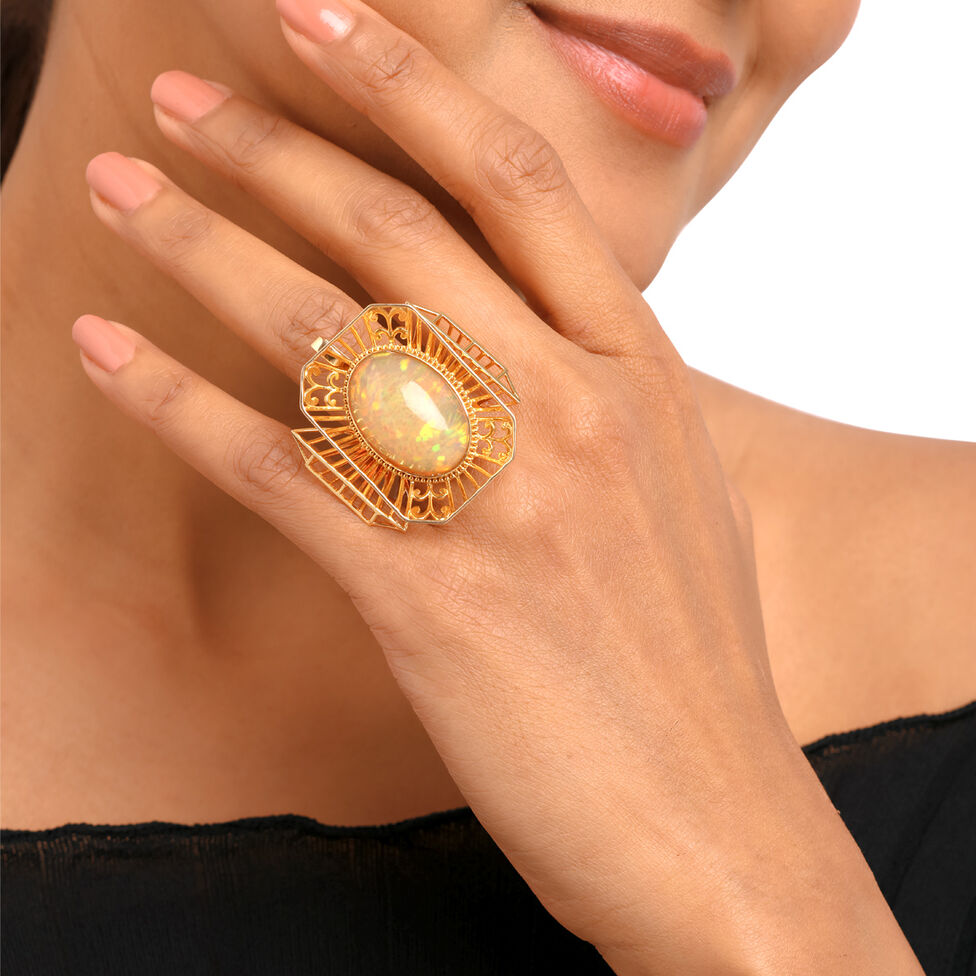
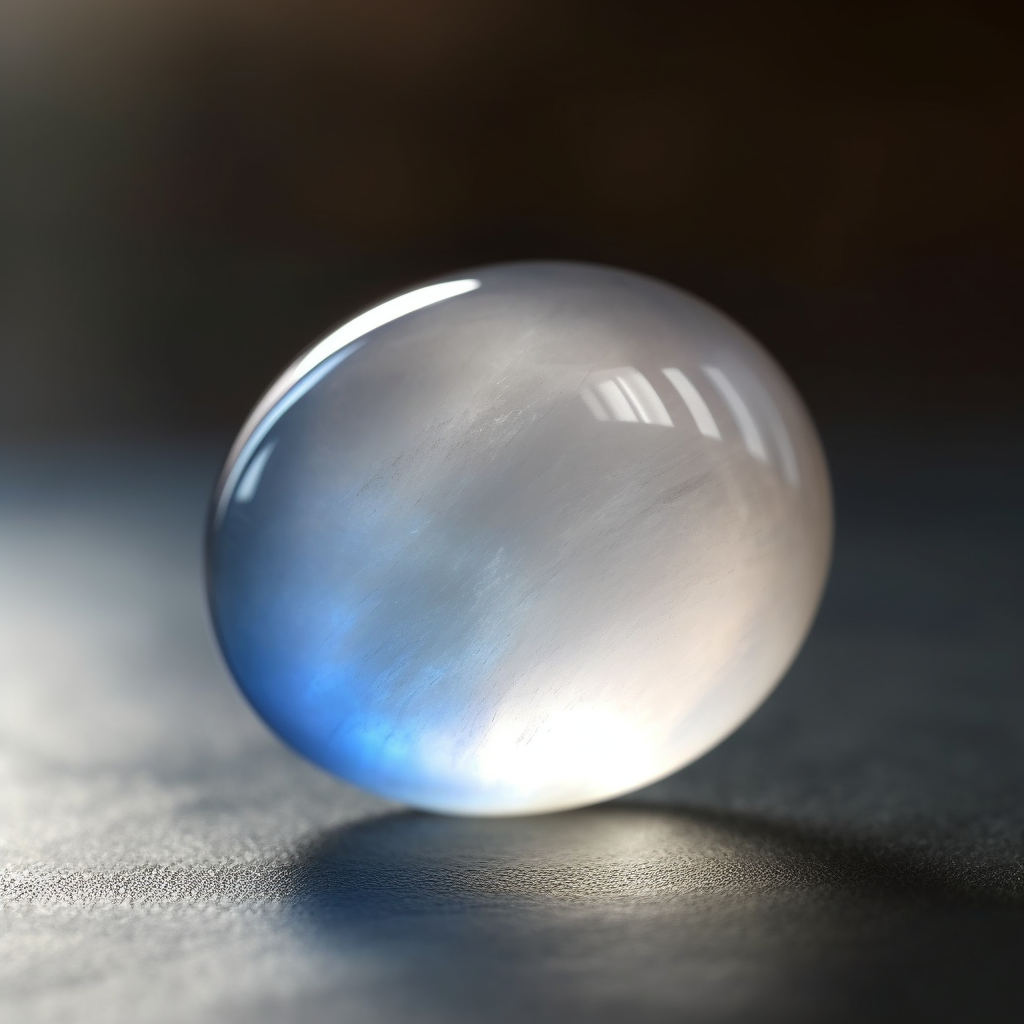
From a gemmological perspective, Opal is a hydrated amorphous silica mineraloid containing up to ten percent water within its physical structure. Unlike traditional faceted gems that reflect light off surface angles, an opal’s interior is composed of millions of microscopic silica spheres arranged in a precise, three-dimensional grid. When light passes through these microscopic structures, it diffracts into a radiant spectrum – a phenomenon known in gemmology as “play-of-colour”. Yet opal’s canvas extends far beyond classic white stones into extraordinary varieties, ranging from the deep, midnight-dark depths of rare Black Opals to the fiery, sun-drenched orange hues of Mexican Fire Opals.
The World’s Most Coveted Opal Origins
- Lightning Ridge (Australia): Celebrated worldwide as the undisputed capital of the black opal, yielding rare gems with deep, dark body tones that make neon red, green, and blue play-of-colour pop with dramatic intensity.
- Coober Pedy (Australia): Discovered in 1915 in the South Australian outback, legendary for producing the world’s finest milky-white and light crystal opals exhibiting soft, ethereal spectral flashes.
- Welo Province (Ethiopia): A major gemmological revelation discovered in the late 2000s, renowned for hydrophane crystal opals displaying extraordinary, highly saturated play-of-colour in neon broad-flash patterns.
- Queensland (Australia): Famous for producing Boulder Opals, where precious opal forms naturally within ironstone host rock, offering breathtaking landscape-like patterns and exceptional natural strength.
- Querétaro (Mexico): Renowned for producing vibrant Fire Opals – transparent to translucent gems with fiery yellow, warm orange, and cherry-red body tones mined from volcanic formations.
The Connoisseur’s Eye: Quality and Integrity
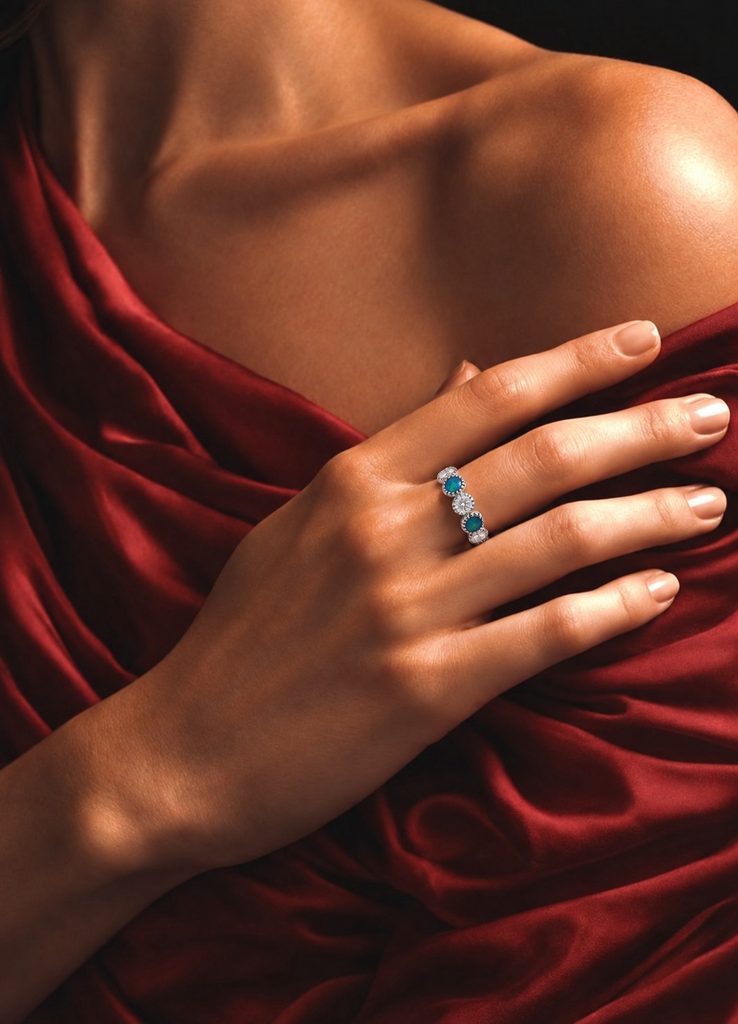
Evaluating a fine opal requires balancing body tone, colour saturation, and pattern rarity. The ideal stone exhibits a vivid, dynamic play-of-colour across its entire surface without lifeless shadows or dull patches. While composite doublets, triplets, and artificial treatments exist in the broader market, an untreated natural solid opal backed by an authoritative laboratory report from institutions like GIA represents the pinnacle of gemmological purity. In the high-jewellery vaults of C. Krishniah Chetty, these rare solid natural opals are meticulously curated for serious collectors seeking investment-grade treasures.
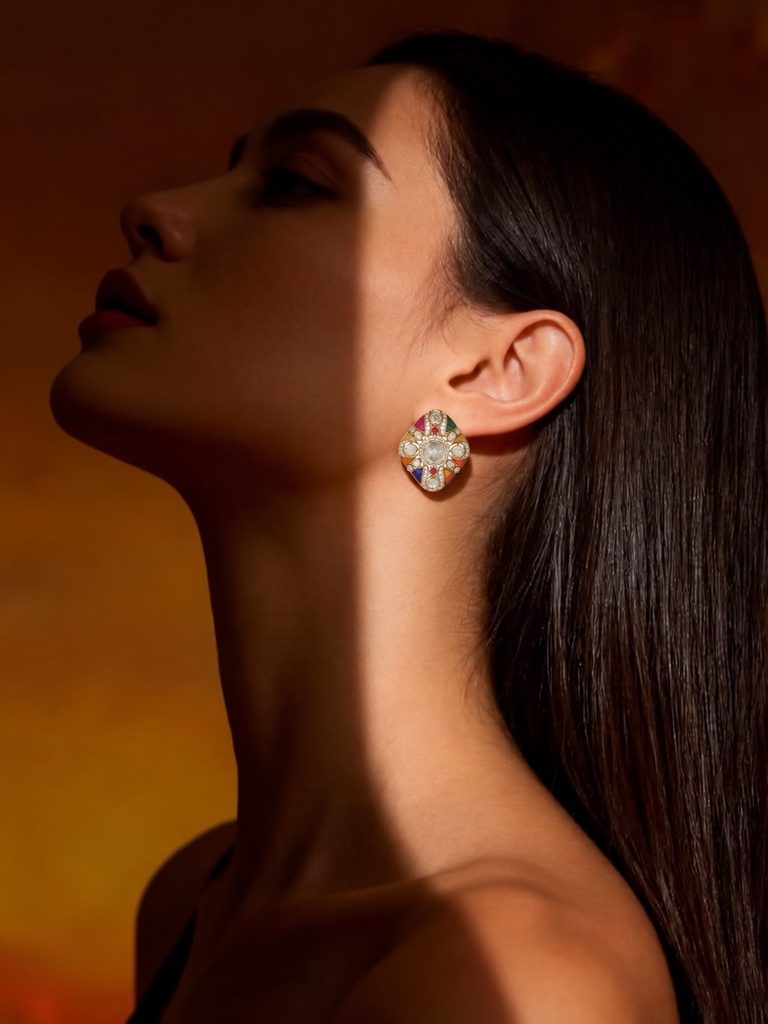
Possessing a Mohs hardness rating of 5.5 to 6.5, opals require thoughtful care to preserve their delicate internal structure and optical brilliance. Preserving their luster involves protecting them from extreme thermal shock, dry heat, and harsh chemical cleaners, requiring only gentle care with warm water, mild soap, and a soft cloth. Whether set in a custom protective bezel of rich gold or framed by diamonds in a bespoke C. Krishniah Chetty royal heirloom mounting, a magnificent opal requires no elaborate display. Its natural majesty speaks with quiet, unyielding authority.